Autism Toilet Learning Concepts
Toilet Learning for Autistic Children: Why Preparation Matters
Toilet learning can feel overwhelming for many Autistic children and their families, not because the child is “difficult,” but because their sensory, communication, and interoception needs are often overlooked in traditional approaches. A neuroaffirmative toilet learning process respects the child’s pace, needs, and autonomy. Preparing ahead, sometimes called pre-teaching, offers a supportive way to reduce uncertainty, build predictability, and increase your child’s confidence. It also helps parents feel more empowered and less reactive, creating a calmer and more positive experience for everyone involved.
This gentle, proactive approach not only decreases anxiety but also lays the groundwork for a trusting, respectful relationship around body autonomy and care.
Building Skills at Your Child’s Pace
Toileting is a complex developmental process that goes far beyond simple routines, it involves sensory regulation, body awareness, communication, and emotional safety. For Autistic children, learning to toilet independently often requires tailored support, time, and a compassionate, step-by-step approach.
Parents can often feel under pressure to reach this milestone quickly, especially when external expectations overshadow their child’s unique readiness and needs. By shifting the focus to gradual skill-building and connection, families can reduce stress and create an affirming path to independence, one that honours both the child’s autonomy and their neurodivergent way of processing the world.
Toilet learning is a layered developmental process, made up of many interlinked skills that unfold gradually. It relies on a child’s sense of safety, readiness, and autonomy as they practise and integrate each step at their own pace.
Preparing for Toilet Learning: Building Understanding First
Toilet learning is most successful when Autistic children are supported with clear, respectful preparation before the process begins. Rather than rushing into toileting routines, it’s helpful to first introduce key concepts in a way that honours your child’s communication style, sensory profile, and need for predictability.
This preparatory stage, often called pre-teaching, helps reduce anxiety by building familiarity and understanding before any expectations are placed on the child. Pre-teaching toileting concepts allows Autistic children to explore ideas like wet versus dry, what a toilet is for, and how their body feels, all at their own pace and in a way that feels safe.
If your child has already begun toilet learning and is finding certain elements challenging, going back to these foundational activities can still make a meaningful difference.
In this post, I’ll share gentle, neuro-affirming activities to help introduce toileting ideas in a supportive and child-led way. Every Autistic child’s needs are different, so the examples offered can be adapted to fit your child’s unique strengths, preferences, and learning style.
To support your child’s understanding of early toileting concepts, I’ve created a free Wet/Dry Match & Sort Printable. This resource can be gently introduced as part of your pre-teaching or priming activities, helping to build awareness around wetness, dryness, and body signals in a playful and accessible way. You’ll find the free download linked at the end of this post.
Helping Your Child Understand Wet vs Dry Through Everyday Moments
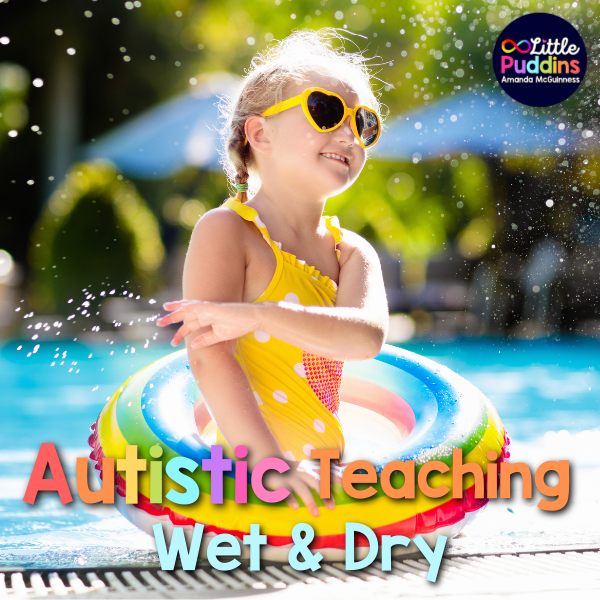
Understanding the difference between wet and dry can take time for many Autistic children, especially if interoception or sensory processing differences are present. Instead of relying solely on formal teaching, weaving this concept into familiar, everyday routines can create meaningful and low-pressure learning opportunities.
Below, you’ll find a list of everyday activities that can gently introduce the idea of wet and dry in a way that feels natural and supportive. These moments are not about testing or correction, they’re about offering consistent, respectful exposure that helps build understanding over time.
Hands-On Wet and Dry Learning for Autistic Children
Understanding the difference between wet and dry is a foundational concept in toilet learning. For many Autistic children, learning through real-life, sensory-rich experiences can be far more effective than abstract instruction. Below are gentle, engaging activities that naturally introduce wet and dry through everyday play and routines:
Watering Plants – Notice together how dry soil becomes wet after watering, using visual and tactile cues.
Dishwashing Together – Wash dishes (wet) and dry them with a towel, narrating the process as you go.
Sponge Toss Game – Use soaked sponges to play a fun throwing game, exploring wet textures in a playful way.
Jump in Puddles – During muddy play, highlight how shoes or clothes become wet and how they dry later.
Water Painting Outdoors – Paint footpaths or walls with water and observe how the images fade as they dry.
Beach or Water Play – Gently draw attention to how skin feels when wetBeach or Water Play – Gently draw attention to how skin feels when wet versus when dried with a towel.
Bath Time Exploration – Talk through the routine of washing (wet) and drying (towel) in a calm, supportive tone.
Water-Activated Colouring Books – Explore colouring books that use water to reveal colours (available at Tesco and similar retailers).
Rainy Day Sensory Play – Experience playing in the rain with and without an umbrella, noticing the difference.
Wet or Dry Sorting Game – Use a simple visual sorting activity to reinforce these ideas in a clear and accessible format.
Bath Time Exploration – Talk through the routine of washing (wet) and drying (towel) in a calm, supportive tone.
Water-Activated Colouring Books – Explore colouring books that use water to reveal colours (available at Tesco and similar retailers).
Rainy Day Sensory Play – Experience playing in the rain with and without an umbrella, noticing the difference.
Wet or Dry Sorting Game – Use a simple visual sorting activity to reinforce these ideas in a clear and accessible format.
These child-led, low-pressure activities promote sensory understanding of wet and dry in ways that feel safe, fun, and meaningful. Always adapt activities to your child’s sensory preferences and communication style.
You can download your FREE Printable here.
Wet & Dry “Try-On” Activity for Toilet Learning
The Wet and Dry Try-On activity is a gentle and effective way to support Autistic children in recognising the sensory difference between wet and dry clothing, an important concept in the toilet learning process. This approach is particularly helpful for children who experience interoception differences and may need explicit, structured opportunities to build awareness of body signals.
This activity involves using two pairs of shorts in different states, one lightly dampened with water in the seat area to represent wet, and one kept fully dry. Before any toileting routines are introduced, the child can be supported to briefly try on each pair. Through this hands-on experience, they are gently guided to notice how wet shorts feel against their body compared to dry ones, without pressure or urgency.
I first used this strategy with my youngest son before we began any toilet routines. He explored how it felt to wear slightly damp shorts, followed by a dry pair. These experiences gave him a clearer, embodied understanding of the difference, building an important foundation for toileting independence.
This activity is grounded in a respectful, neuroaffirmative approach. It provides clear, concrete learning in a way that honours the Autistic child’s need for predictability, body autonomy, and sensory clarity.
Extending the Wet & Dry Try-On Activity: Visual Matching for Toilet Learning
To build on the initial try-on experience, I gently extended the Wet and Dry Try-On activity by placing one damp pair of shorts and one dry pair side by side on the floor. I invited my son to explore both and asked him to identify which pair felt wet. With supportive guidance, he selected the correct pair, using visual and tactile cues to build his understanding.
We repeated this activity regularly, alternating between asking him to find the wet or the dry pair. Over time, he became more confident and was able to independently identify each one. This gradual, respectful approach helped empower his awareness of wet and dry sensations, a key part of developing toileting autonomy for Autistic children.
By creating consistent, low-pressure opportunities for learning, we supported his interoceptive awareness in a way that felt safe, clear, and affirming.
Introducing the Concepts of Clean and Dirty Through Everyday Routines
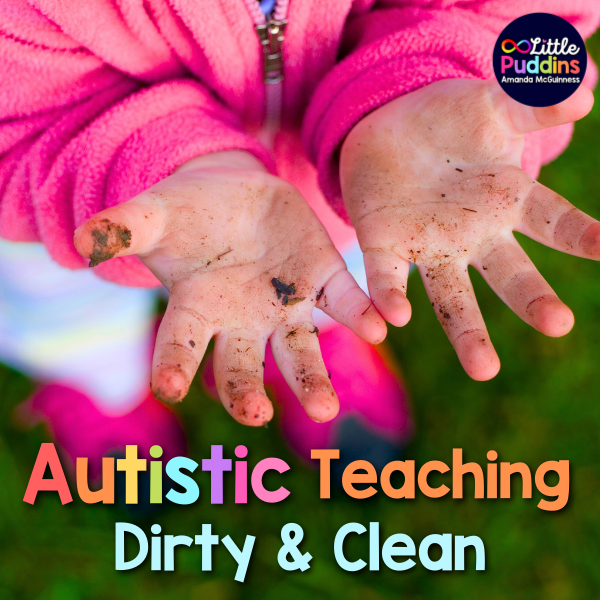
Following on from the Wet and Dry learning activities, the concepts of clean and dirty can also be explored through daily routines in a way that feels meaningful and accessible for Autistic children. These ideas are often best understood when experienced through real-life, hands-on moments rather than abstract explanations.
By gently embedding these concepts into familiar activities, children can build understanding at their own pace, strengthening their sense of body autonomy, hygiene awareness, and independence.
Below are some practical, child-led activities that can support learning about clean and dirty in a natural, supportive way.
Hands-On Activities to Explore the Concepts of Clean and Dirty
For many Autistic children, understanding the difference between clean and dirty is best supported through real-life, sensory-rich experiences. These concepts can be introduced in a gentle, practical way by embedding them into familiar routines and play. Rather than relying on correction or instruction, these activities invite exploration and learning through doing, supporting body autonomy, hygiene understanding, and everyday independence.
Here are some affirming and accessible activities to help your child explore the ideas of dirty and clean:
Washing Toys – Invite your child to help wash toys in the sink, showing how dirt or mess is gently rinsed away.
Dry Erase Learning – Use a dry erase marker on a laminated surface to represent “dirty,” then wipe it clean together with a damp cloth.
Chalkboard Cleaning – Draw with chalk and then clean the board with a sponge, observing the visual difference between messy and clean.
Pet Washing – If your child enjoys caring for pets, involve them in washing or brushing to see how the pet becomes clean.
Doll Bath Time – Use a doll or figure during play to practise a pretend washing routine, narrating the change from dirty to clean.
Laundry Sorting and Washing – Sort out “dirty” laundry, then help load it into the machine and talk about how washing makes it clean again.
Handwashing After Messy Play – After art, baking, or outdoor play, guide your child through washing their hands and noticing the before-and-after.
Handwashing Before Meals – Reinforce the idea of preparing for food by washing hands to feel fresh and clean.
These simple, engaging activities support children in connecting sensory experiences to abstract concepts, offering a strong foundation for hygiene and self-care skills in a way that honours their individual learning style.
Supporting Autistic Children with Toilet Learning: Next Steps
I hope this post has been helpful in exploring practical, neuroaffirmative strategies for introducing essential toileting concepts in ways that respect your child’s individual needs.
To further support your journey, Flourish Autism Consultancy and Training have created a comprehensive On-Demand Toilet Learning Webinar designed specifically for families of Autistic children. This training is rooted in lived experience and evidence-informed practice, offering compassionate guidance for understanding sensory needs, interoception, communication differences, and demand avoidance, all within the context of toilet learning.
Autism Toilet Learning Visual Supports
In addition, Flourish Autism Consultancy and Training have developed a range of specialist Toilet Learning Visual Supports that can help Autistic children build understanding, predictability, and confidence throughout each step of the process. These visual tools are designed to be clear, accessible, and adaptable for a wide range of support needs.
Click the image below to explore the full collection of visual resources or register for instant access to the on-demand training.
Neuroaffirmative, child-led support can transform what often feels like an overwhelming milestone into a positive, connection-based experience. If you need further guidance or would like to learn more about the toilet learning services I offer, please don’t hesitate to get in touch. I’m here to support you and your child every step of the way.
